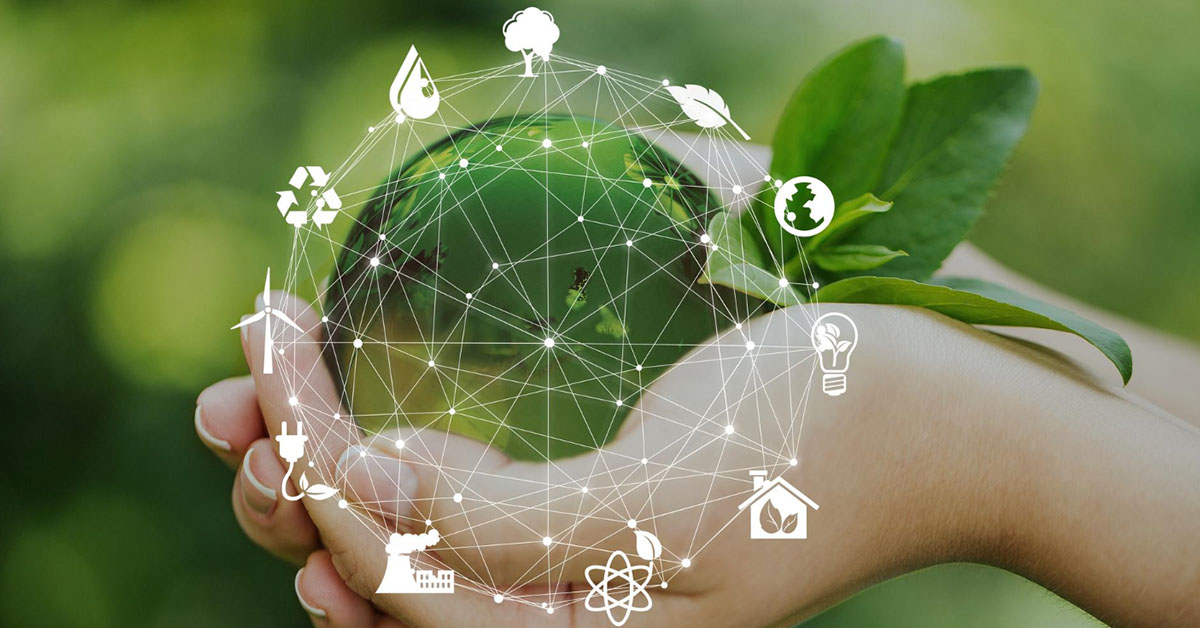
As the world grapples with climate change and resource scarcity, the circular economy is emerging as a key strategy for achieving sustainability. Unlike the traditional linear economy—characterized by “take, make, dispose”—the circular economy focuses on reducing waste and reusing resources. By leveraging cutting-edge technologies, businesses and governments are creating systems that minimize environmental impact while maximizing economic and social benefits.
What Is the Circular Economy?
The circular economy is a regenerative system where materials and resources are reused, repaired, refurbished, or recycled. This approach reduces the extraction of raw materials and minimizes waste generation.
Key principles of the circular economy:
- Design for Longevity: Products are built to last longer.
- Reuse and Repair: Encouraging reuse through repairable and modular designs.
- Recycling and Upcycling: Converting waste into new materials or products.
- Resource Efficiency: Optimizing the use of energy, water, and materials.
Tech Innovations Driving the Circular Economy
- Blockchain for Transparency
Blockchain technology is enabling traceability in supply chains, ensuring that products are ethically sourced and recycled properly. For example, companies can track the lifecycle of raw materials and hold stakeholders accountable for sustainable practices.
- IoT for Waste Management
Smart sensors and Internet of Things (IoT) devices are optimizing waste collection and sorting processes. These systems ensure efficient recycling by monitoring bin levels and reducing contamination in recyclable materials.
- AI for Predictive Maintenance
Artificial intelligence helps predict when equipment will need maintenance, extending its lifespan and reducing waste. This approach is particularly valuable in industries like manufacturing and logistics.
- 3D Printing for On-Demand Manufacturing
Additive manufacturing reduces material waste by producing only what is needed. It also allows for the creation of parts that can be repaired or upgraded rather than replaced.
- Digital Platforms for Resource Sharing
Apps and online platforms are facilitating resource sharing, from carpooling to renting tools. This “sharing economy” reduces the need for individual ownership and consumption.
- Biotechnology for Sustainable Materials
Advances in biotechnology are creating bio-based alternatives to plastics and other harmful materials. For instance, biodegradable packaging and biofuels are becoming more prevalent.
Real-World Applications of Circular Economy Practices
- Consumer Electronics
Companies like Dell and Apple are designing modular devices that are easier to repair and recycle. Apple’s trade-in programs encourage consumers to return old devices, which are then refurbished or recycled.
- Fashion Industry
Brands like Patagonia and H&M are adopting circular practices, offering clothing rental services and recycling old garments into new collections.
- Automotive Sector
Electric vehicle manufacturers, such as Tesla, are investing in battery recycling to recover valuable materials like lithium and cobalt.
- Construction and Infrastructure
Innovations in modular construction and recycled building materials are reducing waste in the construction industry. For instance, companies are using recycled concrete and steel in new projects.
- Food and Agriculture
Startups are creating compostable packaging, while others are using food waste to produce energy through anaerobic digestion.
Challenges in Adopting a Circular Economy
- High Initial Costs
Transitioning to circular systems requires significant investment in technology and infrastructure.
- Lack of Awareness
Consumer and corporate awareness about the benefits of circular practices remains limited in many regions.
- Complex Supply Chains
Implementing circular practices in global supply chains is challenging due to varying regulations and logistics.
- Technological Gaps
Not all regions have access to advanced technologies needed to support circular systems.
The Future of the Circular Economy
The role of technology in advancing the circular economy will only grow in the coming years. By 2025, we can expect:
- AI-Driven Sustainability: Advanced AI models will analyze data to optimize resource use and minimize waste.
- Policy Integration: Governments will adopt stricter regulations to encourage circular practices across industries.
- Consumer Empowerment: Digital tools will educate consumers on sustainable choices and encourage participation in circular initiatives.
- Corporate Responsibility: Businesses will increasingly adopt circular principles as part of their ESG (Environmental, Social, and Governance) commitments.
Conclusion
The circular economy represents a transformative shift toward sustainable living, and technology is its most powerful enabler. From blockchain to AI, these innovations are helping to build a world where economic growth and environmental preservation go hand in hand. As adoption accelerates, the circular economy will not only redefine industries but also contribute significantly to global sustainability goals.