Physical Address
304 North Cardinal St.
Dorchester Center, MA 02124
Physical Address
304 North Cardinal St.
Dorchester Center, MA 02124

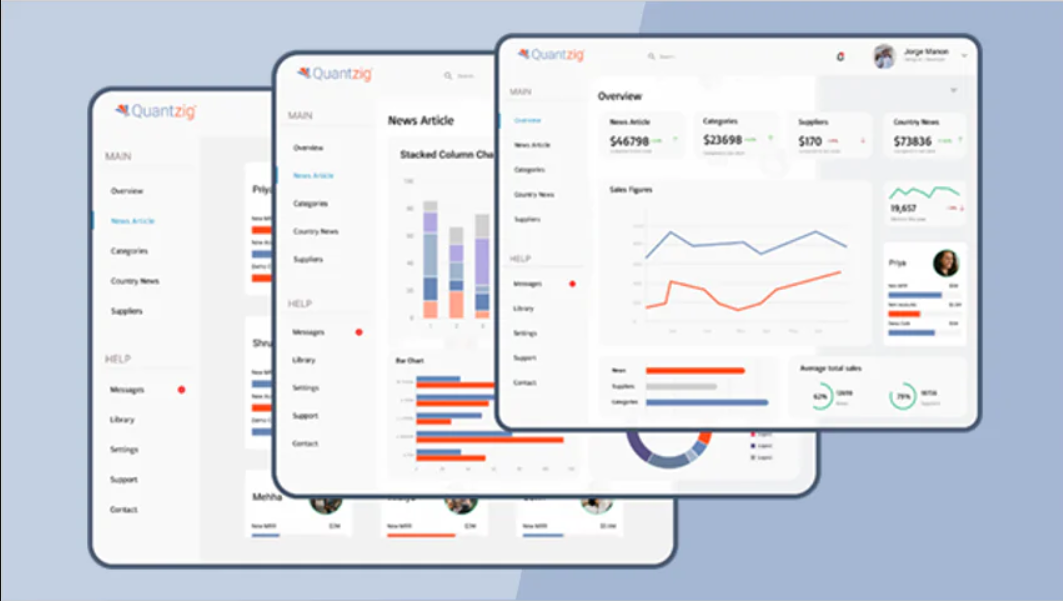
In the data-driven era, Software-as-a-Service (SaaS) platforms are no longer just tools for productivity—they are powerful insight engines. Big Data analytics is transforming SaaS solutions by enabling real-time decision-making, predictive analytics, and hyper-personalized user experiences.
This article explores how SaaS companies are harnessing Big Data, the key technologies driving data analytics, and the emerging trends shaping the future of SaaS analytics.
🚀 95% of businesses cite the need to manage unstructured data as a problem
📊 Global big data market expected to reach $450 billion by 2030
🔍 AI-driven analytics improving SaaS user engagement by 40%
Big Data enables SaaS providers to:
✅ Extract actionable insights from vast data streams
✅ Improve product performance through real-time monitoring
✅ Deliver hyper-personalized user experiences
✅ Optimize security and compliance in data-driven environments
📌 Example: Salesforce Einstein AI uses Big Data analytics to provide predictive lead scoring and personalized marketing insights.
🔹 AI-powered analytics track user behavior, preferences, and engagement
🔹 Hyper-personalization tailors content, recommendations, and workflows
🔹 Dynamic pricing models adjust based on real-time demand and user behavior
📌 Example: Netflix’s SaaS-based streaming platform analyzes user behavior to suggest personalized content, improving retention rates.
✔️ Higher customer retention and satisfaction
✔️ Increased conversion rates through targeted recommendations
✔️ Improved UX with AI-powered adaptability
🔹 Machine Learning algorithms analyze historical data to forecast trends
🔹 Real-time business intelligence dashboards provide instant insights
🔹 AI-powered predictive analytics optimize inventory management and operations
📌 Example: HubSpot’s CRM leverages predictive analytics to rank leads, helping sales teams focus on high-value prospects.
✔️ Faster, data-backed decision-making
✔️ Optimized business operations and resource allocation
✔️ Increased revenue through strategic forecasting
🔹 Automated data pipelines extract, clean, and structure raw data
🔹 Real-time dashboards track key performance indicators (KPIs)
🔹 Natural Language Processing (NLP) converts data into actionable reports
📌 Example: Google Analytics provides real-time traffic insights, helping SaaS companies refine marketing strategies instantly.
✔️ Reduced time spent on manual data processing
✔️ Faster access to critical business metrics
✔️ Improved operational efficiency through automation
🔹 AI-driven anomaly detection identifies suspicious activities
🔹 Predictive risk modeling prevents cyber threats and fraud
🔹 Real-time monitoring ensures compliance with GDPR, CCPA, and ISO standards
📌 Example: PayPal uses Big Data analytics to detect fraudulent transactions in real time, reducing financial losses.
✔️ Enhanced data security and compliance
✔️ Reduced fraud-related risks for businesses
✔️ Improved trust and reliability of SaaS platforms
🔹 Cloud-based analytics optimize server loads and reduce downtime
🔹 AI-driven resource allocation cuts unnecessary infrastructure costs
🔹 Predictive maintenance prevents failures before they occur
📌 Example: AWS uses Big Data analytics to optimize cloud resource allocation, reducing operational costs for businesses.
✔️ Lower infrastructure costs for SaaS providers
✔️ Higher uptime and better performance
✔️ Efficient cloud resource management
⚡ AI & Machine Learning – Automates data analysis and prediction
⚡ Data Lakes & Warehouses – Store and manage vast amounts of structured/unstructured data
⚡ Cloud Computing (AWS, Azure, GCP) – Scales SaaS platforms for Big Data processing
⚡ Streaming Analytics (Kafka, Spark, Flink) – Processes real-time data for instant insights
⚡ NoSQL Databases (MongoDB, Cassandra) – Handles high-volume, high-velocity data
📌 Example: Snowflake’s cloud-based data warehousing enables SaaS providers to manage and analyze Big Data efficiently.
🔮 AI-Augmented Decision-Making – AI will play a bigger role in autonomous decision-making.
📈 Edge Analytics – Data processing will move closer to the user for faster insights.
🔗 Blockchain + Big Data – Decentralized data analytics will enhance transparency & security.
🔍 Explainable AI (XAI) – AI-driven analytics will become more interpretable for users.
🌍 Privacy-First Analytics – GDPR-like regulations will push privacy-focused data strategies.
📌 Example: Companies like Databricks and Palantir are pioneering AI-powered Big Data platforms for SaaS applications.
Big Data analytics is revolutionizing SaaS platforms, enabling them to deliver real-time insights, enhance security, and optimize user experiences. As businesses continue to leverage AI-driven analytics, SaaS solutions will become even smarter, faster, and more personalized.
💡 SaaS companies that effectively integrate Big Data analytics will gain a competitive edge in the evolving digital economy.