Physical Address
304 North Cardinal St.
Dorchester Center, MA 02124
Physical Address
304 North Cardinal St.
Dorchester Center, MA 02124

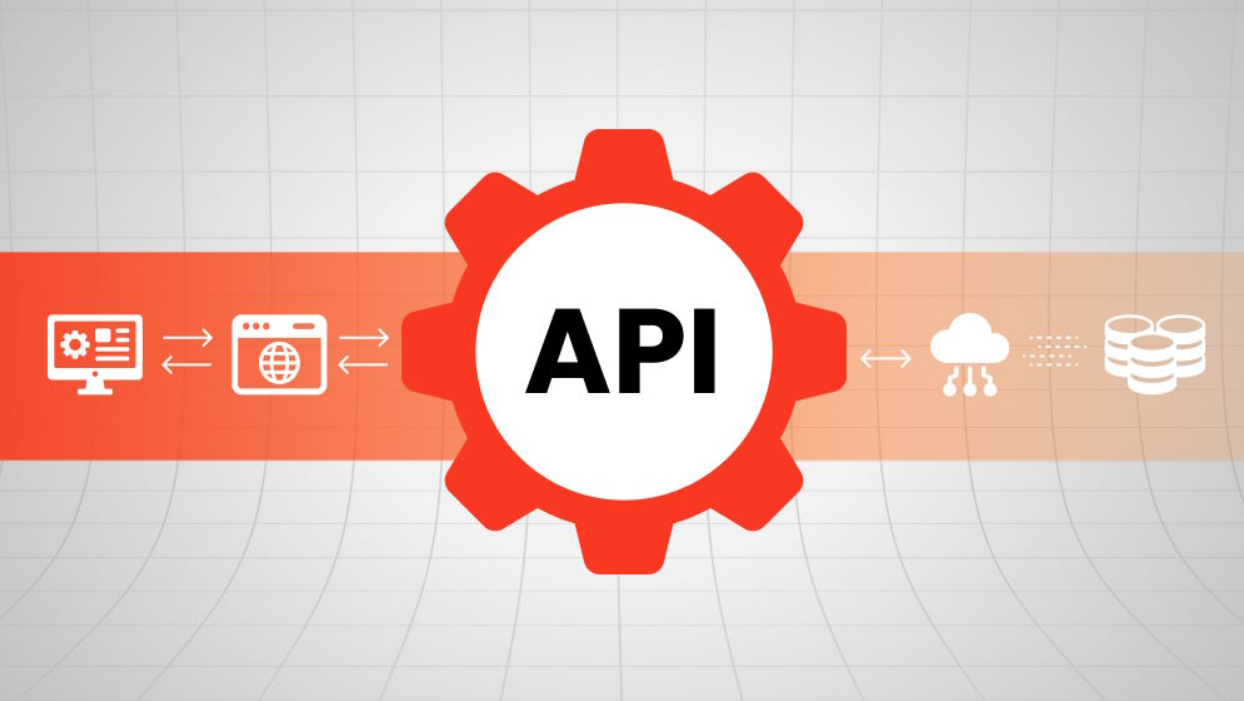
In the rapidly evolving world of software development, API-first architecture has become a critical strategy for modern startups. Gone are the days when APIs were treated as an afterthought. Today, startups that embrace API-first development gain a significant competitive advantage by ensuring scalability, flexibility, and seamless integrations from day one.
But what’s next for API-first development? As businesses increasingly rely on microservices, AI-driven APIs, and GraphQL, understanding the latest trends is essential. Let’s dive into how API-first strategies are evolving and why startups need to adapt.
API-first development means that APIs are designed, built, and optimized before any other part of the application. Unlike traditional development, where APIs are created as a secondary concern, API-first ensures that all services and applications interact smoothly and efficiently from the ground up.
🔹 Traditional Approach: Develop the application first, then create APIs as needed.
🔹 API-First Approach: Design APIs first, then build applications around them.
💡 Why it matters? API-first development enables faster development cycles, improved scalability, and better developer experience (DX).
The API ecosystem is evolving rapidly. Here are the key trends shaping the future of API-first development:
APIs are no longer just static endpoints—they’re becoming intelligent interfaces that leverage AI and machine learning to provide dynamic responses and predictive analytics.
🔹 AI-driven APIs can adapt to user behavior, optimize performance, and enhance automation.
🔹 Startups are leveraging LLMs (Large Language Models) APIs like OpenAI’s GPT and Google’s Gemini to integrate AI-driven functionalities seamlessly.
🔹 Example: AI-powered chatbots, voice assistants, and recommendation engines rely heavily on adaptive APIs.
💡 Takeaway: Startups must consider how AI integration can improve their API-driven products and services.
REST APIs have long been the standard, but GraphQL and event-driven APIs are reshaping how startups design and consume data.
🔹 GraphQL Advantages:
✅ Clients can request exactly the data they need (reducing over-fetching and under-fetching).
✅ Ideal for mobile apps, microservices, and front-end-heavy applications.
✅ Enables better API documentation and self-service adoption.
🔹 Event-Driven APIs:
✅ APIs now handle real-time data streaming, making them ideal for IoT, live updates, and messaging apps.
✅ Technologies like Kafka, WebSockets, and AWS EventBridge are leading the charge.
💡 Takeaway: Startups building real-time and high-performance applications should explore GraphQL and event-driven architectures.
As API adoption increases, so do security risks. API security breaches are on the rise, with many attacks targeting exposed, misconfigured, or vulnerable APIs.
🔹 The Future of API Security:
✅ Zero Trust APIs: Continuous verification of API requests, rather than assuming trust.
✅ OAuth 2.1 & API Gateways: Enhanced authentication and authorization mechanisms.
✅ AI-Powered API Threat Detection: Identifying anomalies and blocking malicious requests.
💡 Takeaway: Startups must prioritize API security from day one, using API gateways, token-based authentication, and encryption.
APIs are no longer just internal tools—they’re becoming valuable digital assets. Many startups are now monetizing their APIs through API marketplaces.
🔹 Key Trends in API Monetization:
✅ Pay-as-you-go API usage (e.g., Twilio, Stripe).
✅ Subscription-based API models (e.g., OpenAI API, RapidAPI).
✅ API marketplaces for third-party integrations (e.g., AWS Marketplace, API Hub by Postman).
💡 Takeaway: Startups should explore API monetization models to generate revenue and expand their ecosystem.
Startups are increasingly adopting low-code and no-code tools to accelerate API development and integration.
🔹 Benefits:
✅ Faster API development with minimal coding.
✅ Enables non-technical teams to create and manage APIs.
✅ Reduces development costs and time-to-market.
💡 Takeaway: Using platforms like Postman, Zapier, and AWS API Gateway, startups can speed up API creation and deployment.
For startups looking to succeed with an API-first approach, here are key best practices:
✔ Design APIs First: Use an API contract approach with OpenAPI (Swagger) before building applications.
✔ Focus on Developer Experience (DX): Provide clear documentation, SDKs, and self-service tools for API users.
✔ Implement Rate Limiting & Security Policies: Protect APIs from misuse and unauthorized access.
✔ Leverage API Observability & Monitoring: Use tools like Datadog, New Relic, or AWS CloudWatch to monitor API performance.
✔ Adopt CI/CD for API Deployments: Automate API testing, versioning, and deployment for faster iteration.
API-first development is no longer just a technical decision—it’s a strategic advantage for startups looking to scale rapidly and innovate efficiently.
✅ AI-powered APIs are making applications smarter and more adaptive.
✅ GraphQL and event-driven APIs are enabling real-time and efficient data consumption.
✅ Security-first APIs are critical as cyber threats rise.
✅ API monetization and marketplaces are creating new revenue streams for startups.
✅ Low-code and no-code tools are accelerating API adoption.
For startups, adopting an API-first approach means better scalability, improved developer experience, and faster go-to-market strategies. The future is API-driven—are you ready to embrace it?