Physical Address
304 North Cardinal St.
Dorchester Center, MA 02124
Physical Address
304 North Cardinal St.
Dorchester Center, MA 02124

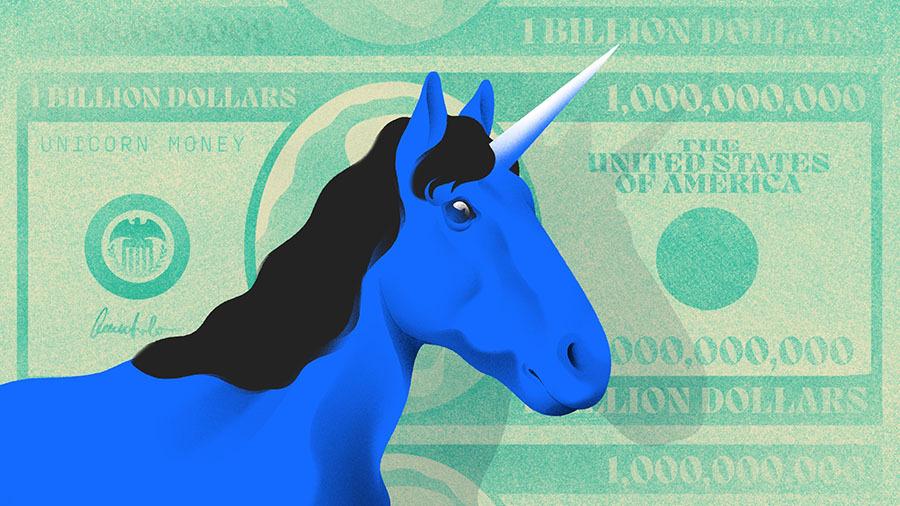
India’s startup ecosystem has been thriving, producing over 100 unicorns in the last decade across fintech, SaaS, deep tech, and consumer tech. As 2025 unfolds, the next wave of high-growth startups is set to reshape industries and push the country’s innovation ecosystem forward.
In this article, we explore the most promising Indian startups poised to become the next 100 unicorns, the industries driving this growth, and the key trends shaping India’s startup landscape.
India has the third-largest startup ecosystem globally, trailing only the US and China. The country has seen an explosion of VC funding, increased government support, and a thriving talent pool, making it an attractive hub for innovation.
🔹 Key Drivers of India’s Startup Boom:
✅ Digital Penetration: With over 850 million internet users, digital adoption is fueling startups in fintech, e-commerce, and SaaS.
✅ Government Initiatives: Programs like Startup India, Digital India, and Make in India provide funding, mentorship, and tax benefits.
✅ Venture Capital Influx: Global investors like Sequoia Capital, SoftBank, and Tiger Global continue to pour billions into Indian startups.
✅ Deep Tech & AI Adoption: AI, blockchain, and IoT are driving new-age startups in healthcare, fintech, and enterprise software.
The next wave of Indian unicorns will likely emerge from high-growth industries solving large-scale problems. Here’s a look at the key sectors driving the next 100 unicorns:
India’s AI & SaaS ecosystem is rapidly expanding, with startups creating AI-driven automation, enterprise software, and cloud-based solutions for global markets.
✅ Startups to Watch:
💡 Why It Matters? India’s SaaS startups are competing with global giants and becoming major players in the $200B+ global SaaS market.
India’s fintech scene has seen massive adoption with UPI, neobanks, lending tech, and insurtech solutions.
✅ Startups to Watch:
💡 Why It Matters? With over 300M+ fintech users, India’s fintech startups continue to attract heavy VC funding and global partnerships.
AI-powered diagnostics, telemedicine, and health insurance are transforming India’s healthcare industry.
✅ Startups to Watch:
💡 Why It Matters? The Indian digital health market is projected to reach $37B+ by 2030, creating massive opportunities for healthtech unicorns.
India’s e-commerce boom is driving D2C (Direct-to-Consumer) brands, quick-commerce, and personalized shopping experiences.
✅ Startups to Watch:
💡 Why It Matters? India’s D2C market is expected to hit $100B by 2025, with startups leveraging social commerce & influencer marketing.
Startups in AI, blockchain, and space tech are gaining momentum with government-backed initiatives.
✅ Startups to Watch:
💡 Why It Matters? India’s private space sector is booming post-ISRO’s success, making it a hotbed for deep-tech unicorns.
As India pushes for green energy, startups are innovating in EVs, renewable energy, and sustainability tech.
✅ Startups to Watch:
💡 Why It Matters? India aims to achieve net-zero emissions by 2070, and climate-tech startups will play a huge role in sustainable innovation.
🔹 AI & Automation: AI-driven startups are solving real-world problems in finance, healthcare, and logistics.
🔹 India for the World: Indian SaaS and fintech startups are expanding into global markets, competing with Silicon Valley & Europe.
🔹 Government Backing: The Digital India and PLI schemes are supporting deep-tech & space-tech startups.
🔹 Rising VC Investments: Investors are doubling down on Indian startups, focusing on long-term profitability over hypergrowth.
India’s next 100 unicorns will emerge from AI, SaaS, fintech, healthtech, e-commerce, and climate-tech sectors. As the ecosystem matures, startups will focus on profitability, global expansion, and deep-tech innovations to sustain long-term growth.
With a booming digital economy, rising global investments, and strong government support, India’s startup scene is set to dominate the global innovation landscape in the coming years.