Physical Address
304 North Cardinal St.
Dorchester Center, MA 02124
Physical Address
304 North Cardinal St.
Dorchester Center, MA 02124

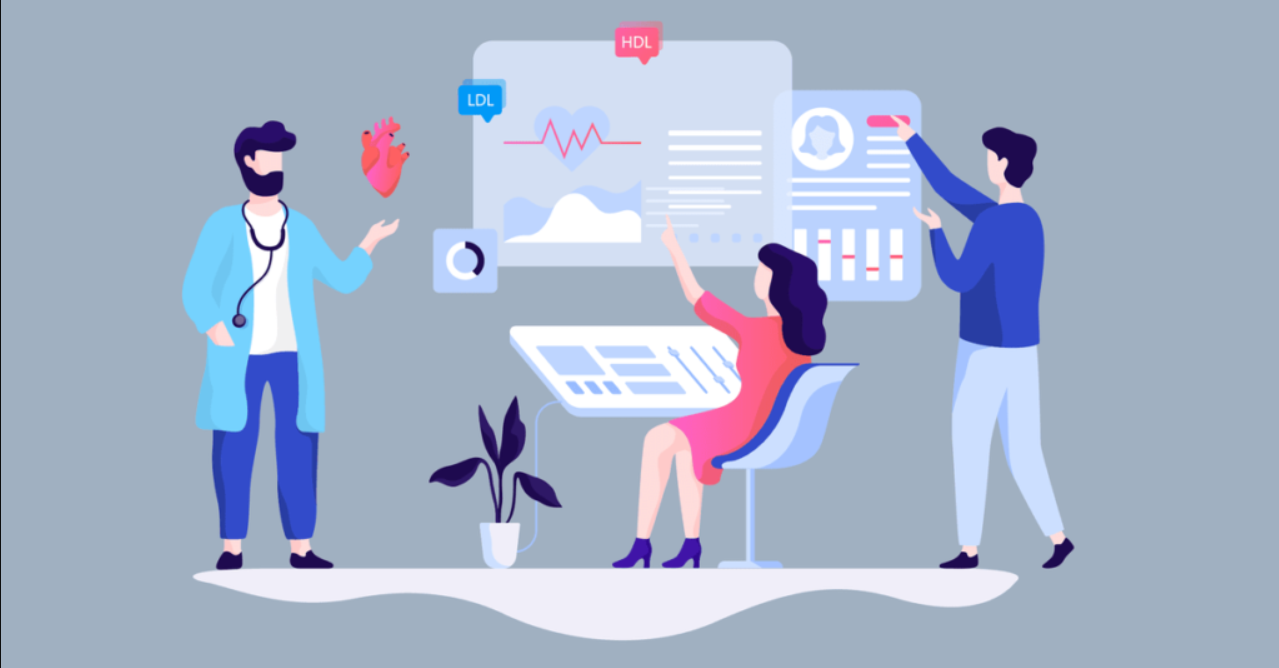
The healthcare industry is undergoing a massive digital transformation, with interoperability at the center of it. As electronic health records (EHRs) evolve, the focus is on seamless data exchange across hospitals, clinics, and telemedicine platforms.
Interoperable health systems can improve patient outcomes, reduce costs, and eliminate redundant tests, but data privacy, security, and standardization challenges remain.
Let’s explore the shift towards interoperable digital health records and the key players driving this transformation.
🔹 Faster Diagnoses & Treatment: Doctors can access a patient’s complete medical history instantly.
🔹 Reduced Medical Errors: Duplicate tests, misdiagnoses, and adverse drug interactions are minimized.
🔹 Enhanced Patient Experience: Patients don’t have to carry physical files or repeat medical histories.
🔹 Efficient Healthcare Coordination: Specialists, primary care doctors, and hospitals can collaborate in real time.
🔹 Better Public Health Insights: Governments and research institutions can track disease trends and develop policies faster.
🔹 FHIR & HL7 are universal data exchange standards that enable different EHR systems to communicate.
🔹 Adoption: Companies like Epic, Cerner, and Allscripts are integrating FHIR for improved data sharing.
🔹 AI helps clean, structure, and analyze unstructured medical data.
🔹 Predictive analytics help detect early-stage diseases and optimize treatments.
🔹 Blockchain ensures tamper-proof medical records, reducing fraud and unauthorized access.
🔹 Startups like BurstIQ and Medicalchain are pioneering blockchain-based health data sharing.
🔹 Cloud platforms allow real-time access to patient records across hospitals and telemedicine services.
🔹 Amazon HealthLake, Google Cloud Healthcare API, and Microsoft Cloud for Healthcare are driving cloud-based health record interoperability.
🔹 Wearables like Apple Watch, Fitbit, and Garmin integrate with EHRs to track vitals and provide continuous health insights.
🔹 Hospitals can remotely monitor patients and update records in real time.
🔹 Epic Systems & Cerner – Leading EHR vendors integrating FHIR standards.
🔹 Apple Health Records – Enables patients to store & share medical records from different providers.
🔹 Google Cloud Healthcare API – Helps organizations standardize and share health data securely.
🔹 IBM Watson Health – Uses AI for predictive health analytics and EHR integration.
🔹 MediBloc & Medicalchain – Blockchain-based platforms enabling secure patient data exchange.
⚠️ Data Privacy & Security: Strict regulations like HIPAA (USA) and GDPR (Europe) must be followed.
⚠️ Resistance from Legacy Systems: Many hospitals still rely on outdated EHRs that lack API connectivity.
⚠️ Standardization Issues: Not all providers use the same data formats, making integration difficult.
⚠️ Cost & Implementation Complexity: Migrating to cloud-based, interoperable systems requires significant investment.
🔹 AI-powered EHRs will provide real-time patient insights and automate administrative tasks.
🔹 Decentralized health data (via blockchain) will allow patients to own and control their medical records.
🔹 Telemedicine & IoT expansion will make remote health monitoring a standard feature of EHRs.
🔹 Government-backed interoperability initiatives will push universal data-sharing frameworks.
With interoperable digital health records, healthcare will become smarter, faster, and more connected—leading to better patient care and outcomes.
💬 What do you think is the biggest hurdle to achieving full interoperability in healthcare? Let’s discuss!