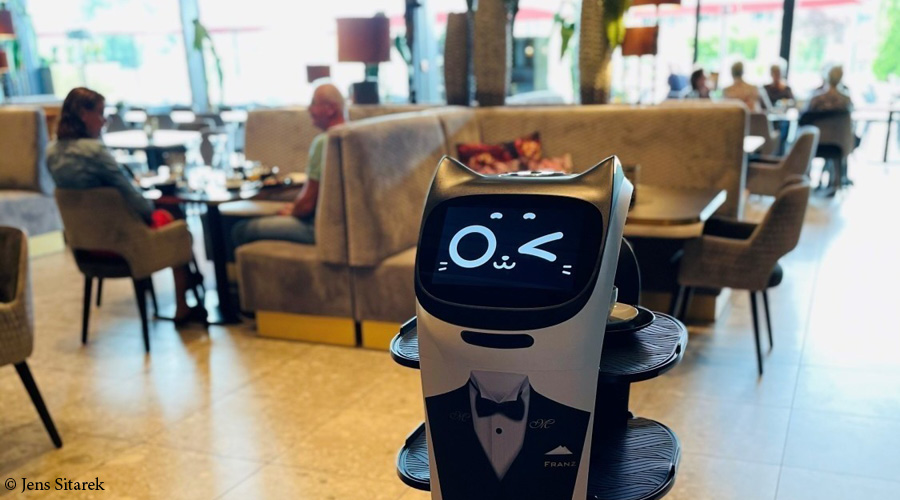
The hospitality industry is undergoing a technological revolution, driven largely by startups aiming to enhance customer experiences and streamline operations. By leveraging cutting-edge innovations, these companies are redefining how guests interact with hotels, restaurants, and travel services, creating new standards of convenience and personalization.
Personalization Through AI and Data Analytics
Startups are using AI and data analytics to offer highly tailored experiences:
- Guest Preferences: AI systems analyze customer data to anticipate preferences, such as room choices, dining preferences, or activity recommendations.
- Dynamic Pricing Models: Algorithms adjust prices in real-time based on demand, ensuring competitive rates and maximum occupancy.
- Customized Offers: Personalized promotions and packages are sent to customers based on their past bookings and preferences.
Contactless and Mobile Technologies
The pandemic accelerated the adoption of contactless solutions, which are now standard in hospitality startups:
- Mobile Check-Ins and Check-Outs: Guests can manage their stay via apps, eliminating the need for front-desk interactions.
- Digital Room Keys: Smartphones serve as room keys, enhancing convenience and security.
- Cashless Payments: Startups are integrating seamless payment solutions for bookings, dining, and other services.
Virtual Reality (VR) and Augmented Reality (AR)
Immersive technologies are reshaping how customers choose their experiences:
- Virtual Tours: Customers can explore hotel rooms, event venues, or destinations through VR before making bookings.
- Interactive Menus: AR apps allow diners to visualize dishes in 3D, enhancing the dining experience.
- Event Planning: AR tools help customers design and visualize events, such as weddings or conferences, with greater accuracy.
Smart Rooms and IoT Integration
Internet of Things (IoT) technology is enabling startups to create “smart” accommodations:
- Voice-Activated Controls: Guests can use voice commands to control lighting, temperature, and entertainment systems.
- Smart Energy Management: IoT devices optimize energy usage, contributing to sustainability efforts.
- Enhanced Room Service: Connected devices enable faster service through automated systems.
Leveraging Social Media and Influencer Marketing
Startups are capitalizing on the power of social media to attract customers:
- User-Generated Content: Encouraging guests to share their experiences online creates organic promotion.
- Influencer Partnerships: Collaborating with influencers boosts brand visibility among target audiences.
- Real-Time Engagement: Startups use social media to address customer queries and provide instant support.
Challenges and Future Prospects
While technology offers immense potential, hospitality startups face challenges such as high implementation costs, data security concerns, and customer adaptation to new systems. However, the continued focus on innovation and customer-centric solutions ensures a bright future for tech-driven hospitality startups.
Conclusion
By integrating advanced technologies like AI, IoT, and VR, hospitality startups are transforming the industry to offer unparalleled convenience, personalization, and engagement. These innovations not only attract customers but also set the stage for a more efficient, sustainable, and customer-focused future in hospitality.