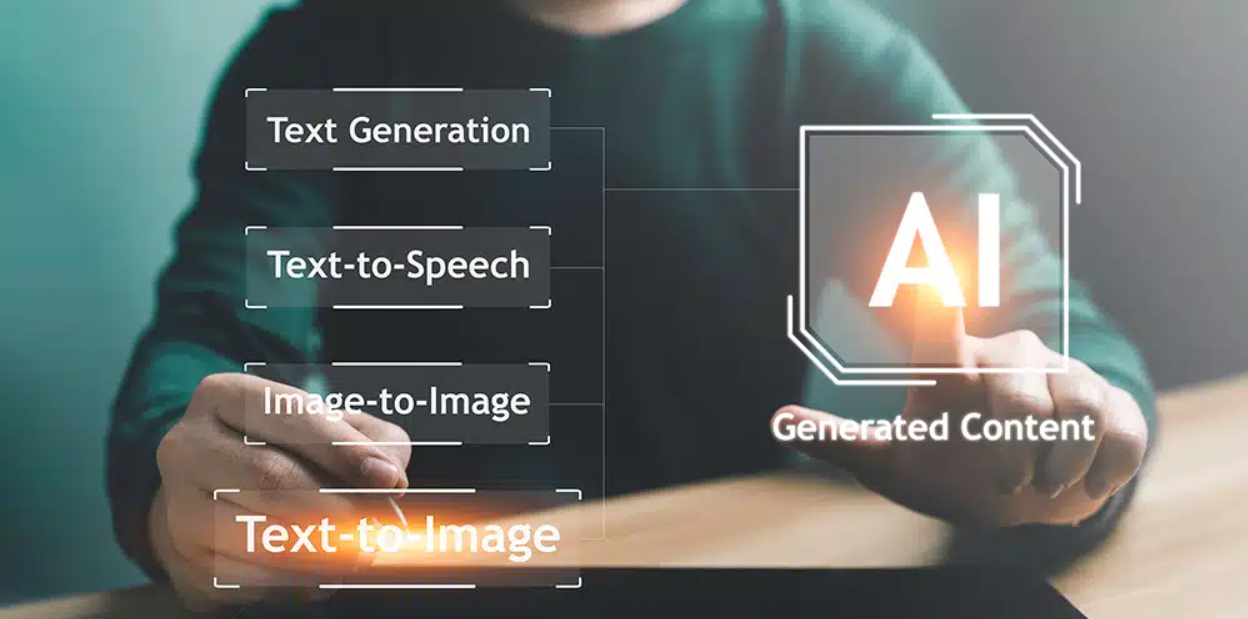
Web accessibility ensures that digital platforms are usable by everyone, including people with disabilities. In 2025, artificial intelligence (AI) is playing a transformative role in making the web more inclusive. From automated content adaptation to real-time assistive tools, AI-driven solutions are bridging the accessibility gap, enabling equal access to online resources.
1. How AI Enhances Web Accessibility
- Automated Transcriptions: AI-powered tools generate real-time captions for audio and video content, making it accessible to hearing-impaired users.
- Screen Reader Enhancements: AI improves screen readers by providing accurate descriptions of images and complex content.
- Keyboard Navigation Support: AI detects navigation issues and suggests improvements for users relying on keyboards instead of a mouse.
- Real-Time Language Translation: AI enables multilingual accessibility, breaking language barriers for global users.
- Customizable Interfaces: AI tailors web layouts and features based on user preferences, such as larger fonts or high-contrast themes.
2. Key Benefits of AI-Driven Accessibility
- Wider Reach: Businesses can cater to a larger audience, including individuals with disabilities.
- Regulatory Compliance: AI helps websites meet standards like WCAG (Web Content Accessibility Guidelines).
- Enhanced User Experience: AI personalizes interactions, ensuring seamless usability for all users.
- Innovation Potential: AI technologies inspire creative accessibility solutions, fostering innovation in web design.
3. Challenges in Implementing AI for Accessibility
- Accuracy Limitations: AI may misinterpret content, leading to incorrect descriptions or recommendations.
- High Costs: Developing and integrating AI accessibility solutions can be expensive.
- Bias in AI Models: AI systems may inadvertently reflect biases, affecting accessibility quality.
- Dependency on Data: Effective AI solutions require vast amounts of training data, which may not always be available.
The Future of AI in Accessibility
The role of AI in web accessibility is only expanding. With advancements in machine learning and natural language processing, the web will become increasingly inclusive. Businesses and developers embracing AI-driven accessibility not only meet legal and ethical standards but also contribute to a more equitable digital future.