Physical Address
304 North Cardinal St.
Dorchester Center, MA 02124
Physical Address
304 North Cardinal St.
Dorchester Center, MA 02124

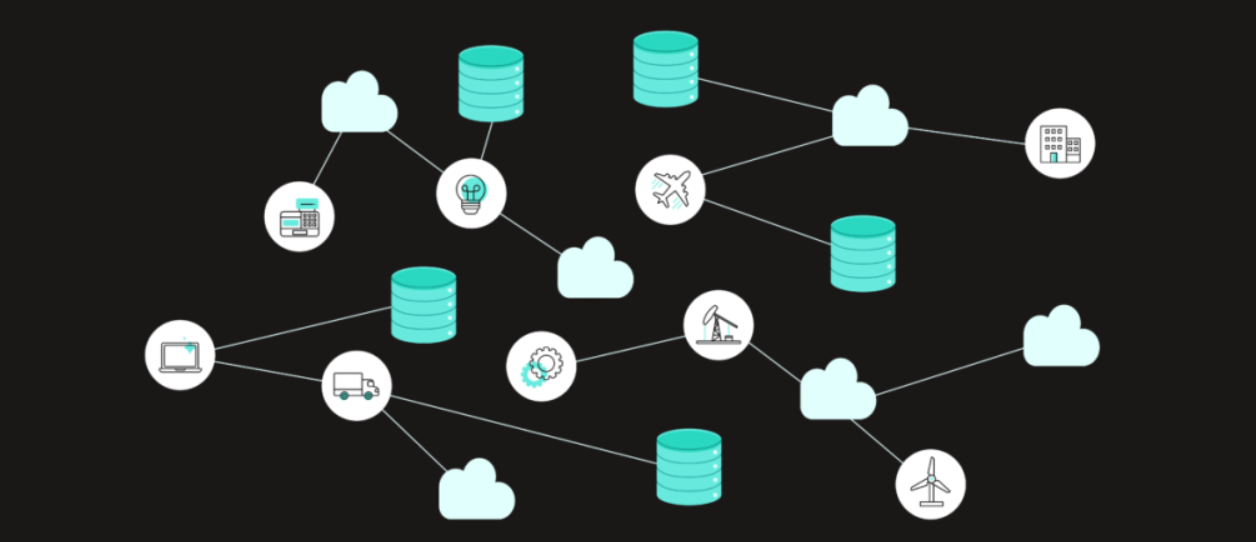
The Internet of Things (IoT) and Software-as-a-Service (SaaS) are two transformative technologies that, when combined, create powerful, data-driven solutions across industries. IoT devices generate massive amounts of real-time data, while SaaS platforms provide scalable, cloud-based infrastructures to process, analyze, and act on this data. The result? Smarter applications, improved efficiency, and better decision-making.
IoT devices collect and transmit real-time data, but managing and analyzing this data at scale is a challenge. This is where SaaS platforms play a crucial role by offering:
🔹 Cloud-based data storage & processing – Eliminating the need for on-premise infrastructure.
🔹 Scalable analytics & AI integration – Making sense of massive IoT datasets.
🔹 Remote accessibility & automation – Enabling real-time monitoring & control.
🔹 Seamless third-party integrations – Connecting with APIs, CRM, and enterprise systems.
🚀 Impact: Businesses leverage IoT-SaaS integration to create smart, automated, and data-driven ecosystems that boost productivity and reduce costs.
🔹 IoT sensors continuously transmit data to SaaS platforms for instant insights.
🔹 Example: Smart factories use real-time dashboards to track machine performance.
🔹 AI-powered SaaS platforms predict equipment failures before they happen.
🔹 Example: Industrial IoT (IIoT) helps manufacturers schedule proactive maintenance.
🔹 SaaS removes the need for expensive on-premise data centers.
🔹 Example: Smart home automation systems scale without major infrastructure investments.
🔹 SaaS providers offer end-to-end encryption and regulatory compliance for IoT data.
🔹 Example: Healthcare IoT solutions ensure compliance with HIPAA & GDPR regulations.
🔹 Businesses can remotely manage IoT devices through centralized SaaS dashboards.
🔹 Example: Logistics companies track and optimize fleet operations in real time.
🚀 Impact: Organizations improve efficiency, cut costs, and deliver personalized, automated experiences.
🔹 IoT-enabled machines send performance data to SaaS dashboards for predictive maintenance.
🔹 Outcome: Reduced downtime, optimized production, and energy savings.
🔹 IoT sensors track vehicle health, fuel consumption, and driver behavior.
🔹 SaaS platforms use AI to predict maintenance needs and optimize routes.
🔹 Outcome: Lower costs, improved safety, and efficient logistics.
🔹 IoT medical devices track vital signs and sync with cloud-based SaaS platforms.
🔹 AI-driven alerts notify doctors of critical health changes.
🔹 Outcome: Better patient care, faster interventions, and improved telemedicine.
🔹 SaaS platforms manage smart lighting, climate control, and security systems.
🔹 IoT sensors adjust settings based on occupancy & preferences.
🔹 Outcome: Energy efficiency, automation, and improved security.
🔹 IoT sensors monitor soil moisture, weather, and crop health.
🔹 SaaS platforms analyze data to optimize watering schedules & pest control.
🔹 Outcome: Higher crop yields, reduced water usage, and sustainable farming.
🚀 Impact: IoT-SaaS integration is reshaping industries by making operations smarter, more efficient, and data-driven.
⚠️ Massive Data Volumes – IoT devices generate huge datasets requiring efficient storage & processing.
✅ Solution: AI-powered SaaS analytics & edge computing for real-time processing.
⚠️ Security & Privacy Concerns – IoT devices are vulnerable to cyber threats.
✅ Solution: End-to-end encryption, access control, and regular security audits.
⚠️ Integration Complexities – Connecting IoT devices with legacy systems can be challenging.
✅ Solution: Use API-driven SaaS platforms for seamless integration.
⚠️ High Initial Costs – IoT sensor deployment & SaaS subscriptions require investment.
✅ Solution: Opt for pay-as-you-go SaaS models to reduce upfront costs.
🚀 Outcome: Overcoming these challenges unlocks seamless, scalable, and secure IoT-SaaS deployments.
🔮 Edge AI & Real-Time Processing – More IoT devices will process data locally, reducing cloud dependency.
🔮 5G-Powered IoT SaaS – Faster, low-latency connections will enhance real-time monitoring & automation.
🔮 AI-Driven Insights – SaaS platforms will use AI & predictive analytics for smarter decision-making.
🔮 Blockchain for IoT Security – Decentralized authentication will enhance IoT security & transparency.
🚀 Conclusion: IoT-SaaS integration is revolutionizing industries by providing intelligent, automated, and data-driven solutions. Businesses that embrace this synergy will gain a competitive edge in the digital era.