Physical Address
304 North Cardinal St.
Dorchester Center, MA 02124
Physical Address
304 North Cardinal St.
Dorchester Center, MA 02124

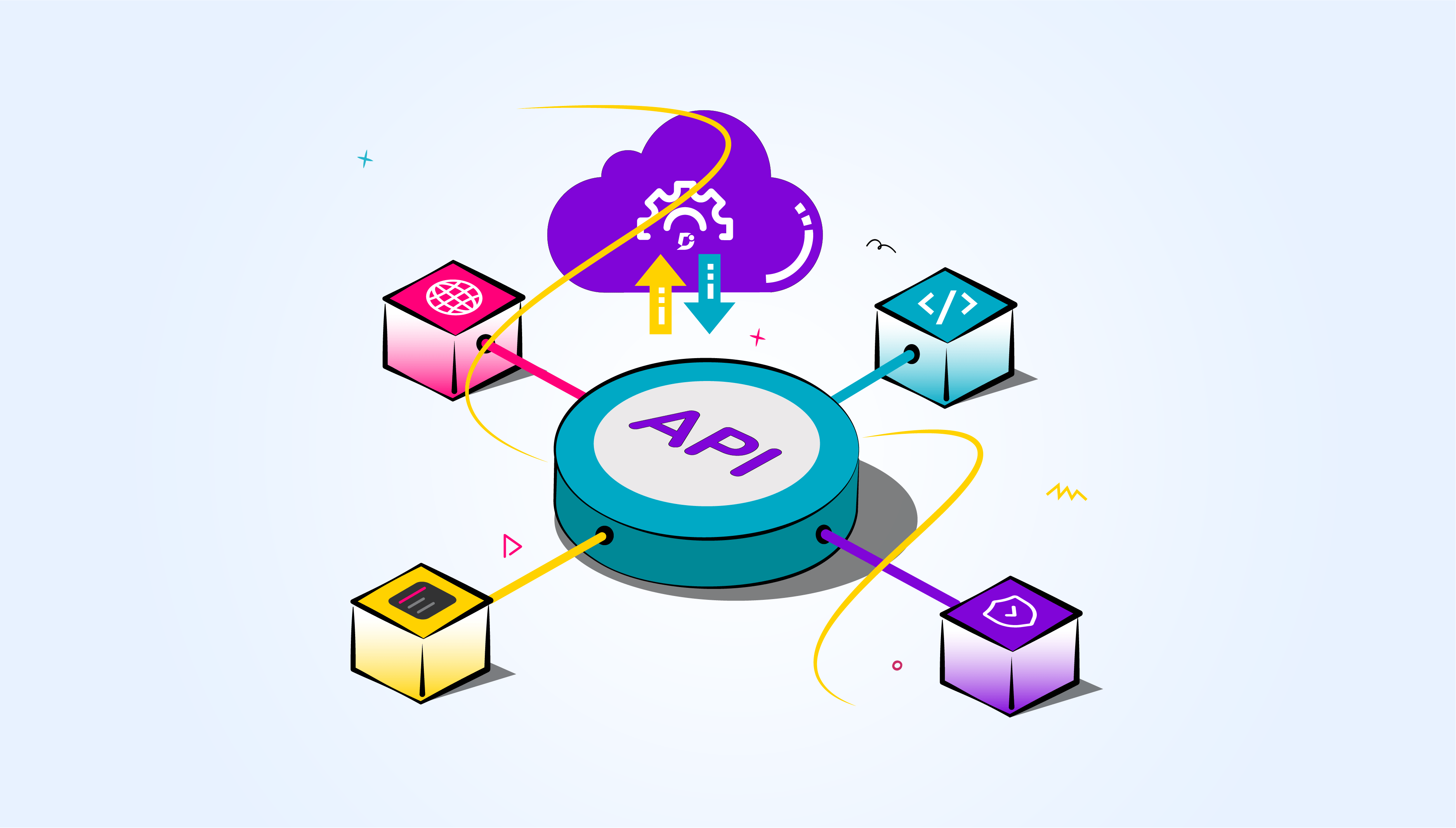
As businesses increasingly rely on Software-as-a-Service (SaaS) solutions, integration has become a critical factor in ensuring seamless workflows. APIs (Application Programming Interfaces) serve as the backbone of SaaS connectivity, enabling different software applications to communicate, share data, and automate processes.
In this article, we’ll explore:
✔️ How APIs enhance SaaS integrations
✔️ Key API strategies in SaaS development
✔️ Challenges & best practices for API-driven SaaS solutions
Modern businesses use multiple SaaS applications across various functions—CRM, finance, HR, marketing, analytics, and customer support. APIs enable these applications to work together, eliminating data silos and improving operational efficiency.
🔹 Seamless Data Exchange – APIs enable real-time data syncing between different platforms
🔹 Automation – Reduce manual tasks by enabling SaaS platforms to interact autonomously
🔹 Scalability – Businesses can extend SaaS functionalities without major system overhauls
🔹 Customization – APIs allow users to tailor integrations to their specific needs
🔹 Enhanced User Experience – Unified workflows improve productivity and decision-making
📌 Example: Zapier & Make.com leverage APIs to connect thousands of SaaS apps, automating tasks without coding.
An API-first approach means designing APIs as the foundation of a SaaS product rather than adding them later. This ensures:
✔️ Faster integrations with third-party services
✔️ Better developer experience with well-documented endpoints
✔️ Greater flexibility for businesses to customize workflows
📌 Example: Stripe follows an API-first approach, allowing businesses to integrate payments seamlessly.
🔹 REST APIs – Most common for web-based SaaS applications
🔹 GraphQL APIs – Allow precise data fetching, reducing unnecessary API calls
🔹 Webhooks – Push notifications for real-time event-driven integrations
🔹 SOAP APIs – Used in enterprise-grade applications requiring strict security
📌 Example: Shopify GraphQL API improves efficiency by fetching only necessary e-commerce data.
🔹 APIs connect CRMs like Salesforce & HubSpot with email marketing tools (e.g., Mailchimp, Marketo)
🔹 Automates lead nurturing, customer segmentation, and email campaigns
📌 Example: Salesforce API + Slack enables sales teams to receive instant CRM updates.
✔️ Improved lead conversion rates
✔️ Faster sales pipeline movement
🔹 APIs allow ERP platforms (e.g., NetSuite, SAP) to sync with accounting software (e.g., QuickBooks, Xero)
🔹 Automates invoice generation, tax calculations, and financial reporting
📌 Example: Stripe API + QuickBooks automatically syncs transaction data.
✔️ Eliminates manual data entry
✔️ Enhances financial accuracy
🔹 AI-powered SaaS apps use APIs to integrate with NLP, computer vision, and predictive analytics services
🔹 Enables chatbots, AI-driven recommendations, and automated insights
📌 Example: ChatGPT API allows SaaS platforms to add conversational AI capabilities.
✔️ Improved customer support automation
✔️ Personalized user experiences
🔹 APIs integrate e-commerce platforms (Shopify, WooCommerce) with payment processors (Stripe, PayPal)
🔹 Enables seamless checkout, subscription billing, and fraud detection
📌 Example: Shopify API + PayPal allows global businesses to process payments effortlessly.
✔️ Reduced cart abandonment rates
✔️ Secure cross-border transactions
🔹 APIs connect HR management tools (BambooHR, Workday) with payroll services
🔹 Automates employee onboarding, salary processing, and leave management
📌 Example: BambooHR API + G Suite syncs employee data for seamless communication.
✔️ Reduced HR workload
✔️ Improved compliance with labor laws
🔸 APIs expose data, making them prime targets for cyberattacks
🔸 Unauthorized access can lead to data breaches
✔️ Solution: Implement OAuth 2.0, JWT authentication, and API gateways
📌 Example: Google API Gateway secures API interactions with access controls.
🔸 Third-party API failures can disrupt SaaS services
🔸 Slow API responses impact user experience
✔️ Solution: Use circuit breakers, rate limiting, and caching mechanisms
📌 Example: Cloudflare API Gateway optimizes API response times.
🔸 Inconsistent real-time data updates across integrated platforms
🔸 Version mismatches cause integration failures
✔️ Solution: Implement webhooks, versioned APIs, and data validation checks
📌 Example: Zapier’s real-time webhook support ensures instant data updates.
🔹 Use GraphQL or RESTful APIs to handle large-scale SaaS integrations
🔹 Implement rate limiting to prevent overload
🔹 Use OAuth 2.0, API keys, and JWT authentication
🔹 Monitor for API misuse & suspicious activities
🔹 Use Swagger (OpenAPI) or Postman for interactive API documentation
🔹 Offer SDKs & code samples for easy integration
🔹 Maintain versioned APIs to avoid breaking existing integrations
🔹 Notify users of deprecations & upcoming API changes
📌 Example: Stripe API versioning prevents breaking changes for developers.
🔮 No-Code API Integrations – More platforms will enable drag-and-drop API connections
🔮 AI-Generated APIs – AI will assist in automatically generating API endpoints & documentation
🔮 API Monetization – SaaS companies will offer API access as a paid service
📌 Example: Twilio’s API-first approach enables businesses to integrate communications effortlessly.
APIs are transforming SaaS ecosystems, enabling businesses to integrate, automate, and scale operations effortlessly. With an API-first mindset, SaaS providers can enhance user experience, drive innovation, and future-proof their platforms.
💡 Embracing API-driven SaaS integrations is not just an option—it’s a necessity for staying competitive in 2025 and beyond.