Physical Address
304 North Cardinal St.
Dorchester Center, MA 02124
Physical Address
304 North Cardinal St.
Dorchester Center, MA 02124

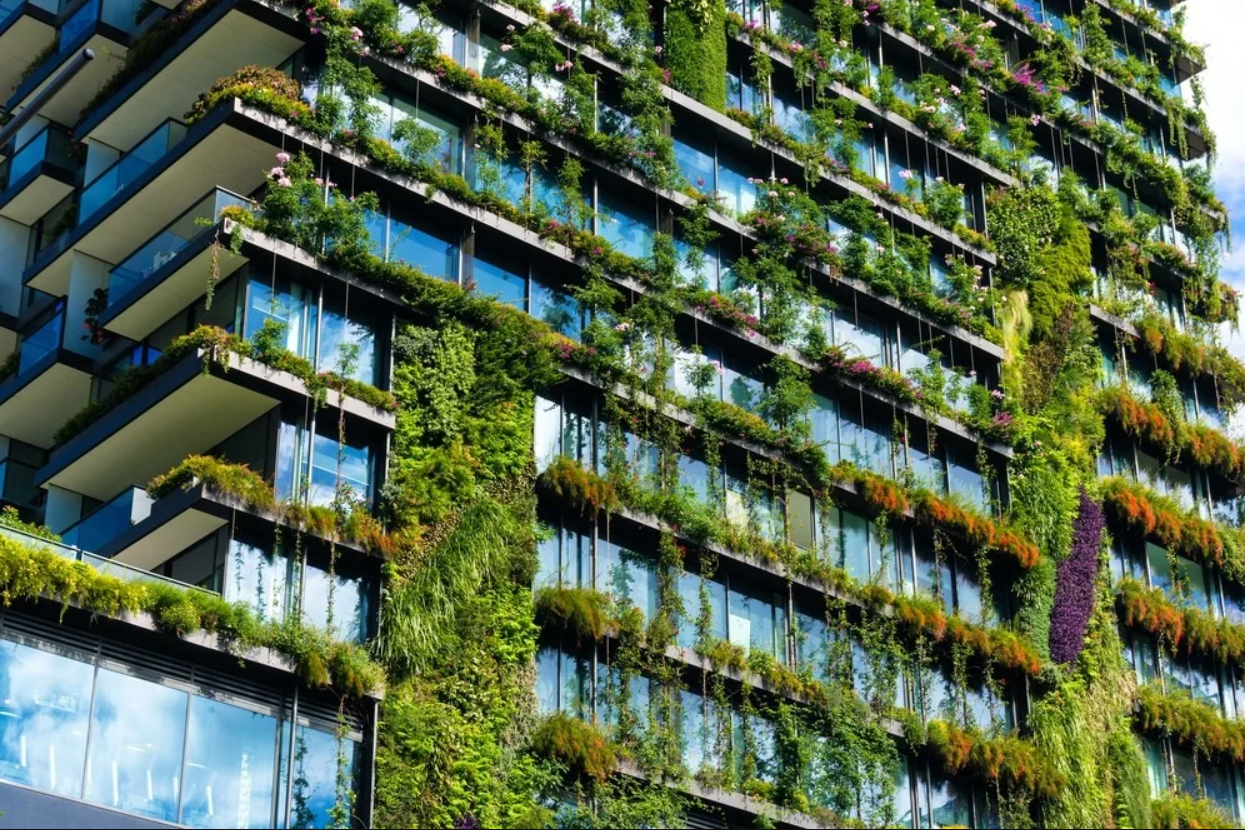
The construction industry is one of the largest contributors to global carbon emissions, accounting for nearly 40% of total CO₂ emissions worldwide. As the need for sustainable solutions becomes more urgent, startups are stepping up to revolutionize the sector with eco-friendly materials, energy-efficient designs, and smart construction techniques. From modular buildings to carbon-neutral concrete, the future of construction is being reshaped by innovation focused on reducing environmental impact and improving efficiency.
Construction has long been associated with high environmental costs:
✔️ High CO₂ Emissions – Cement production alone generates 8% of global CO₂ emissions.
✔️ Resource Depletion – The industry consumes 50% of natural resources globally.
✔️ Waste Generation – Over 1.3 billion tons of construction waste is produced annually.
✔️ Energy Consumption – Construction and building operations consume 36% of global energy.
✅ Regulatory Pressure – Governments are imposing stricter environmental standards (e.g., EU Green Deal).
✅ Rising Material Costs – Scarcity of natural resources is driving up construction costs.
✅ Consumer Demand – Clients prefer eco-friendly and energy-efficient buildings.
✅ Technological Advances – AI, 3D printing, and new materials are enabling sustainable innovation.
Startups are developing innovative materials that reduce environmental impact while maintaining durability and cost-effectiveness.
🔹 Carbon-Neutral Concrete – Using industrial waste (e.g., fly ash) to reduce cement usage.
🔹 Bio-Based Materials – Hempcrete, mycelium (fungus-based), and bamboo are emerging as durable, low-carbon alternatives.
🔹 Recycled Materials – Reusing plastic, glass, and metal in construction reduces landfill waste.
📌 Example:
Prefabricated and modular building techniques reduce waste, improve energy efficiency, and shorten construction times.
🔹 Buildings are manufactured off-site and assembled on location.
🔹 Reduces material waste and improves construction site safety.
🔹 Enables high precision, reducing energy leakage and improving insulation.
📌 Example:
AI and machine learning are being used to optimize building designs for minimal energy consumption.
🔹 Passive solar design reduces heating and cooling needs.
🔹 AI-based models simulate building energy use and optimize efficiency.
🔹 Smart glass, reflective roofing, and advanced insulation enhance thermal performance.
📌 Example:
Startups are integrating renewable energy sources directly into building design.
🔹 Solar panels integrated into roofs and facades.
🔹 Geothermal systems for heating and cooling.
🔹 Battery storage and energy management systems to reduce grid dependency.
📌 Example:
Automation and 3D printing reduce material waste and labor costs while increasing precision.
🔹 AI-driven robotic arms for construction site automation.
🔹 3D-printed concrete structures reduce material usage.
🔹 On-site printing reduces transportation emissions.
📌 Example:
AI and IoT-based platforms monitor and optimize energy usage and building performance.
🔹 Real-time energy monitoring and automated adjustments.
🔹 Smart HVAC and lighting systems.
🔹 Predictive maintenance to reduce operational costs.
📌 Example:
| Startup | Focus Area | Valuation | Notable Clients |
|---|---|---|---|
| CarbonCure | Carbon-neutral concrete | $500M | Major construction firms |
| ICON | 3D printing for housing | $250M | Government and real estate developers |
| Blokable | Modular construction | $100M | Affordable housing providers |
| Heliatek | Organic solar films | $150M | Commercial building developers |
| MycoWorks | Mycelium-based materials | $125M | Eco-conscious developers |
The global sustainable construction market is expected to grow significantly:
| Region | Adoption Rate | Key Players |
|---|---|---|
| North America | 65% | CarbonCure, ICON |
| Europe | 58% | HOK, MycoWorks |
| Asia-Pacific | 45% | Blokable, Sunrun |
| Middle East | 35% | Apis Cor, Verdigris |
| Latin America | 28% | Local modular builders |
Despite its potential, the sustainable construction industry faces several challenges:
🔸 High Initial Costs – Sustainable materials and smart systems require significant upfront investment.
🔸 Regulatory Barriers – Complex building codes and zoning laws can limit innovation.
🔸 Supply Chain Issues – Limited availability of eco-friendly materials.
🔸 Skill Gaps – Need for specialized labor to implement new technologies.
🔸 Market Acceptance – Conservative construction firms may resist change.
📌 Carbon-Positive Buildings – Generating more energy than they consume.
📌 Self-Healing Concrete – Materials that repair cracks automatically.
📌 AI-Driven Construction Scheduling – Reducing time and costs through predictive modeling.
📌 Biophilic Design – Integrating natural elements to improve health and reduce energy use.
📌 Circular Construction – Designing buildings for easy disassembly and material reuse.
Sustainable construction is rapidly becoming a strategic priority as governments, businesses, and consumers push for greener solutions. Startups are leading the way with innovative materials, smart designs, and automation technologies that reduce waste, improve efficiency, and lower costs. While challenges remain—particularly around cost and regulation—the future of sustainable construction looks bright, with the potential to reshape how cities and communities are built.
👉 Can sustainable construction truly scale to meet global demand while maintaining profitability?